

There's a moment almost every serious animal communicator reaches. You're practicing. You're receiving information. Sometimes it feels clear, sometimes not.
Moreover, late at night, or after a session, a quiet question surfaces: "How do I know if I'm actually doing this right?"
Not because you're insecure. Not because you don't trust yourself. But because the work matters.
Animals can't fact-check us. They rely on how we listen, interpret, and respond whether or not anyone is there to witness it. Therefore, understanding how to know animal communication is right becomes essential for anyone committed to this practice.
That realization changes everything.
"My biggest fear wasn't being wrong, it was not knowing if I was wrong. Practicing alone made me second-guess everything. Feedback helped me trust myself without doubting myself or guessing." — Tony
Why This Question Is a Sign of Growth (Not Doubt)
Beginners usually worry about getting information. More experienced communicators worry about getting it right.
That shift matters significantly. It means you're no longer satisfied with lucky hits, surface answers, "it felt okay," or reassurance without depth.
You're starting to care about accuracy, influence, and impact. Additionally, that's where learning animal communication in isolation quietly becomes a problem.

The Limits of Practicing Alone
Here's the hard truth most people don't talk about: You cannot see your own blind spots, no matter how intuitive you are.
When you practice alone, assumptions feel like insight, patterns feel like truth, emotional bias hides in plain sight, and "good enough" quietly replaces "clean."
Nothing feels obviously wrong. And that's exactly why it's risky.
Animals are incredibly adaptive. They respond to who you are being, not just what you ask. So when something is slightly off, they often simplify, soften, redirect, or go quiet.
Not to punish, but to protect the connection.
Without skilled feedback, it's easy to mistake that adaptation for success. This is precisely why knowing how to validate your animal communication skills becomes crucial.
What I've Seen Happen in My Years of Teaching
I've watched capable, well-meaning communicators unknowingly repeat the same listening mistake for years. Not because they were careless, but because no one ever reflected it back to them.
They were intuitive enough to receive information, but isolated enough to miss what they were adding, assuming, or smoothing over.
Animals didn't argue. They adjusted. And consequently, the communicator never knew what they were missing.
That's not a personal failure. That's what happens when growth happens in a vacuum.
Why Getting Feedback Changes Everything
Real skill development doesn't happen through more effort alone. It happens through gentle correction, experienced reflection, being witnessed without judgment, and having someone say, "Did you notice what happened there?"
Research shows: Feedback improves learning, especially when it's corrective and information-rich. Studies demonstrate that feedback and guidance have significantly higher impact on developing cognitive and motor skills than practice alone.
That kind of feedback in animal communication training isn't about being wrong. It's about becoming more accurate, more neutral, and more trustworthy over time.
And animals respond immediately when listening cleans up.
This Is Why Community Matters in Animal Communication
At a certain point, animal communication stops being a solo practice. Not because you're incapable, but because responsibility increases.
Community provides perspective when you're too close, calibration when confidence wobbles, shared standards instead of guesswork, and safety for both humans and animals.
Learning with real-time feedback alongside others with experienced guidance doesn't dilute intuition. It strengthens it.
"Once I had guidance, I stopped constantly checking myself. That's when the communication actually started flowing." — Brenda

The Difference Between Practicing and Growing
Practice alone can maintain your current level. However, growth requires reflection, accountability, dialogue, and a willingness to be seen.
This isn't about comparison. It's about clarity.
When others can gently mirror what you're doing well, and where you're drifting, your listening deepens in ways self-study simply can't reach.
Supported practice creates the conditions for genuine mastery to emerge, particularly when you're focused on understanding how to know animal communication is right for you and the animals you serve.
Why I Created the Animal Talk Coaching & Mastery Club®
The Club exists for one simple reason: Serious animal communicators shouldn't have to do this work alone.
Inside the Club, learning happens through live listening examples, real questions, shared experiences, thoughtful correction, and ongoing refinement.
It's not about performing. It's not about proving anything. It's about becoming someone animals trust, consistently.
Frequently Asked Questions About Animal Communication Accuracy
If This Question Has Been Following You
If you've been asking yourself, "How do I know I'm doing this right?" that's not uncertainty. That's integrity knocking.
And it usually means you're ready for guidance instead of guessing, community instead of isolation, and growth instead of repetition.
You don't need to have it all figured out. You just need the right environment to grow in.
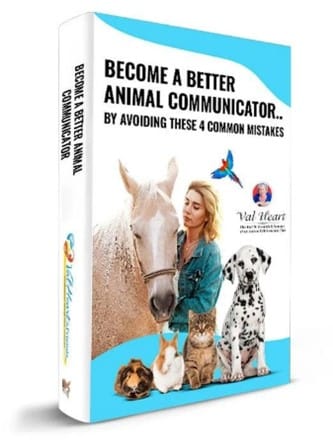
Not sure if you're on the right track? Start here — it's free:
Becoming a Better Animal Communicator By Avoiding These 4 Common Mistakes — discover the habits that quietly undermine accuracy, even when you're trying hard.
Next Step
If you're feeling called to deepen your skills with support, reflection, and shared standards, the Animal Talk Coaching & Mastery Club® was created for exactly this stage of the journey.
Not to rush you. Not to impress anyone. But to help you listen with greater care—even when no one is watching.
Join a community of serious animal communicators committed to raising the standards through shared learning, experienced guidance, and compassionate accountability.
Join the Animal Talk Coaching & Mastery Club®Continue Your Journey
Ready to deepen your practice? Explore these related articles:


Leave a Reply